
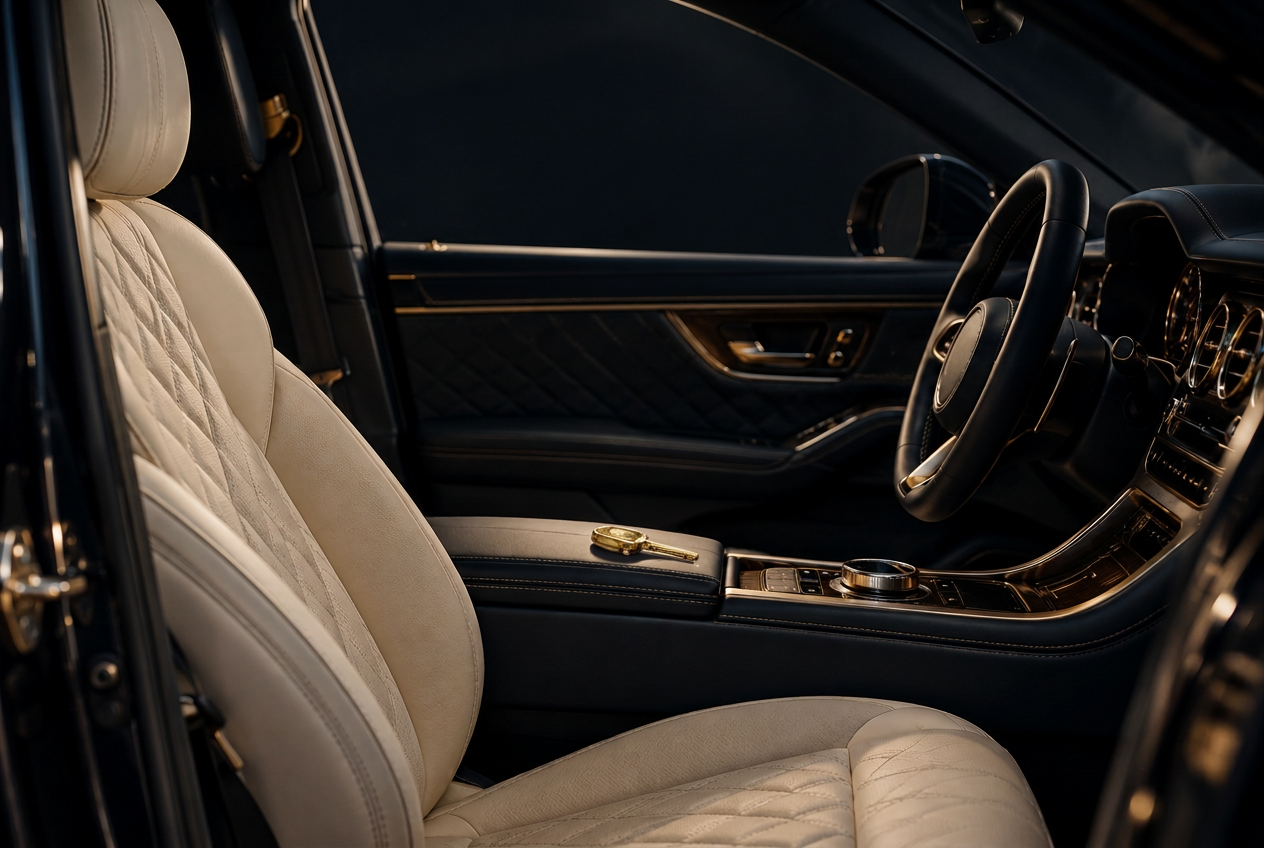
I sat and tried to put a method to all the past ways I sold, and apply them to my new company. But as soon as I sat in the driver's seat, my foot just couldn't press the gas.
At first, it did. But I didn't realize the code to start this car — or to get it to the next destination — required not just a different method. It required a different me.
So who was I in my other sales experiences?
I was the one sitting in an existing system, driving a car with an existing method, whose only instruction was momentum. My identity didn't matter, because I didn't have an identity in that seat. I had a role. If I didn't show up, someone else could or would take that role, and either way the vehicle kept moving forward.
I found success in this vehicle, driving on the already paved road, following the instructions of the last driver. I could still add a piece of me to it, but the most control I had was my capacity — how much I drove that day, which was always the more the merrier — or the radio station that played while I drove. Either way, nothing much was required but for me to show up.
Showing up in that kind of system was comfortable for me. So comfortable that when I built my own company — my name, my equipment — it was still their model. A mirror of their system.
I went to their lot and bought a car, and because my name was on the title, I felt as if it was mine. I pressed the gas the same way. I drove it the same way. I listened to music the same way.
I was the same.
But this vehicle. This vehicle that I built. This vehicle is different. This vehicle wants more.
This vehicle doesn't want to drive as fast, because it's built to carry more load. It's not built to pick up hitchers along the way, drop them at the next stop until the next one comes, and never speak to them again.
I have to stop the car. I have to get out of the car. I have to introduce myself. I have to show them the car I built. I have to show them what's under the hood, the tire system, the detail of the leather that I designed. And I have to ask about theirs. Why won't it drive?
And then I open their door and give them a first class luxury ride in my vehicle. And I don't just drop them off. I plan our next trip, and I fix theirs to ride like mine.
I sat and tried to put a method to apply — but my past ways will stall this vehicle.
This requires me. It craves me. It wants me. And in wanting me, I take with me not the past system, but the version of me that wanted to build something for me. That me is the version who will help others build for themselves. Not a driver following the last driver's instructions, but a peer sitting beside the owner, diagnosing why the car will not drive.
“She is the method now.”

I'm not stopping for hitchers anymore. I'm looking for the owners ready to build something that is actually theirs.
And when I see the cars they built, and why they're not running, I step back into the girl who drove a car with the wrong code.
Sometimes the fix isn't what more we can do. It's how we're showing up.
So if you built your system and it still isn't running, the conversation worth having isn't about what more to add. It's about whether you're still driving someone else's car.
Who am I stopping for on this next ride?
When you want someone to get in and look at yours, that's the Gap Read. You send me what's actually happening inside the business, I spend real time in it, and we sit down for forty-five minutes with a map of what's broken and a plan for what to build. A thousand dollars, credited in full toward the build.